
Slay the Spire
Balor GamesCard
4.34.34K Reviews
- Version
- 2.6.1
- Installs
- 1.00M
- Age Rating
- Everyone 10+
Screenshots
Our Review of Slay the Spire
 Analysis by Appyee
I like a card game that gives me time to weigh a decision instead of asking for quick reactions, and this one makes each choice matter. A card that looks useful in isolation can still weaken a deck if it pulls you away from a plan, while a cautious route can be more valuable than a tempting reward. That push and pull is why Slay the Spire has stayed on my mind: it turns a climb through a strange tower into a series of small, consequential calls.
What the current version offers
On Android, this is a paid card game from Humble Games, priced at $9.99. It is rated Everyone 10+, has a 4.3 average from around 28,000 ratings, and has passed one million installs. Those figures suggest a substantial audience, but the appeal is more specific than broad popularity: it suits players who enjoy learning a system through repeated attempts rather than expecting an easy win on the first try.
The current Android release is version 2.6.0, and the game originally arrived on January 22, 2021. Those facts establish its age and present version, but they do not, by themselves, show which features changed between releases. I would not treat a version number as a promise of a particular update or assume that the experience is still receiving any specific kind of support. What matters to a new player is that the game is available in this current form, with a clear, self-contained premise: build a deck while trying to survive a dangerous ascent.
It is also worth approaching the price as the cost of a complete game, not as an invitation to collect cards through routine spending. That distinction will matter if you are used to free mobile card battlers. Here, the central investment is attention: you learn what cards do, notice where your deck falls short, and decide whether to try a different approach on another run.
How to judge a run as it unfolds
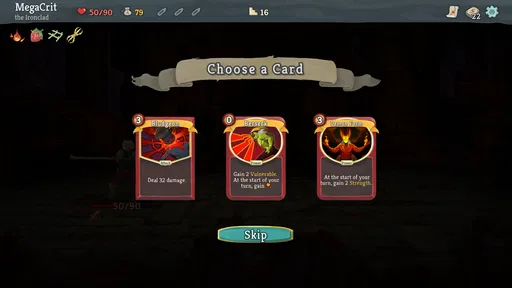
The climb is easier to understand when I stop treating every new card as an automatic upgrade. A card can be powerful but still be the wrong addition if it makes the deck less dependable or distracts from a strategy already working. I try to ask what problem a card solves before taking it. If my deck struggles to deal with a threat, a flashy option that does not address that weakness may be less helpful than a modest, practical choice.
That habit also changes how I think about rewards and routes. A promising detour is not automatically worth the risk, especially when the deck is already fragile; the value of an opportunity depends on what I can handle at that point in the climb. When I reach a difficult fight, I look back at the choices that brought me there instead of blaming a single unlucky moment. That makes losses more instructive and keeps the next attempt from feeling like a blind reset.
Who will enjoy the learning curve
I recommend it to someone who likes comparing options, spotting patterns and gradually improving through failure. It can fit a quiet break at home when I want a game I can pause between decisions, or a longer session when I want to test a developing strategy. The replayable structure means I can return without needing to continue a long narrative thread, although a run still asks for enough attention that I would not choose it while distracted.
It is a less natural match for anyone who wants a relaxed, reliably successful mobile game, a brisk action experience, or a card game focused on collecting and competing against other people. The repeated resets are part of its design, not a temporary obstacle that disappears once I understand the rules. If losing progress between attempts feels discouraging rather than motivating, that friction may outweigh the satisfaction of making a better decision next time.
What to expect from the phone experience
On a phone, card text and the board need to be comfortable to inspect, because a rushed reading can turn a considered move into a mistake. I would take a moment to check the card details and the likely consequences of a choice, particularly when playing on a smaller display. The game’s turn-based pace helps: there is no need to make every decision instantly, so I can pause, review my hand and think through a move rather than tapping by reflex.
For a realistic everyday use, I might start a run during a calm stretch at home, then put the game aside when I need to do something else. The key is not to mistake a short available break for a guaranteed short session: the appeal lies in following a chain of decisions, and stopping at a convenient point is more comfortable than playing while watching the clock. If I only have a moment and cannot give the game my attention, a simpler casual card game would be a better fit.
Embarking on an Epic Card Adventure
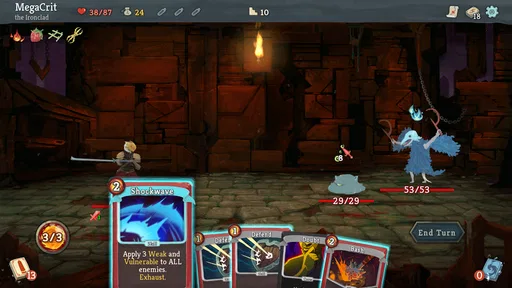
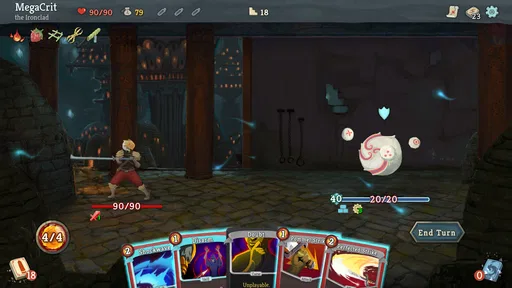
Imagine this: You're armed with a deck of cards, each with its unique abilities, and your mission is to conquer the ever-changing and treacherous spire. Slay the Spire combines the strategy of deck-building with the unpredictability of a roguelike game. Sounds intense, right?
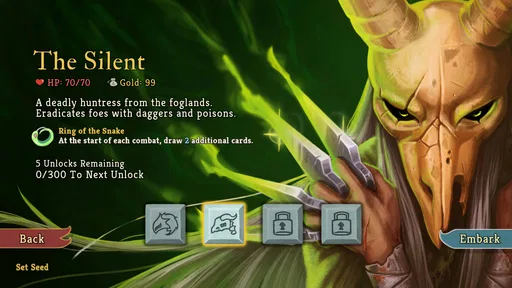
So, here’s how it works. You choose one of the four characters, each offering a distinctive playstyle and deck. As you climb higher, you battle enemies, discover new cards, and customize your deck. Now, I’m not saying it’s easy, but there’s something incredibly satisfying about crafting the perfect strategy to tackle those pesky bosses. The spire changes every time you play, so no two runs are ever the same. Talk about replayability!
Diving into the Mechanics
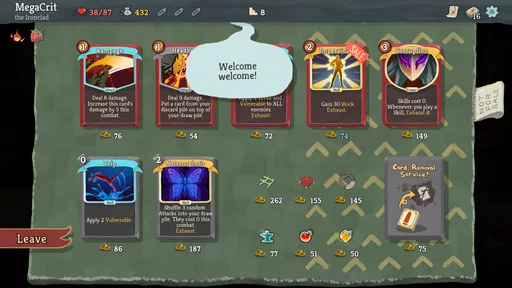
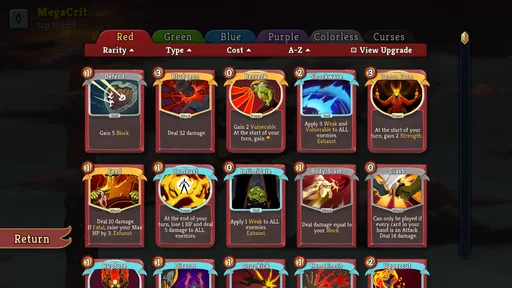
Let’s get into the nitty-gritty. The backbone of Slay the Spire is its card system. You start with a basic deck but, as you progress, you collect new cards that enhance your abilities. Think of it like building a mini arsenal. The challenge lies in creating a deck that synergizes well with your character’s strengths.
And then there's the roguelike element. Each run is a fresh start, with new enemy encounters, events, and rewards. It’s a roller coaster of excitement and frustration. But hey, who doesn’t love a good challenge?
Graphics and Soundtrack Vibes
Visually, the game is a delight. The art style is a blend of quirky and imaginative, perfectly suited to the fantastical theme. Characters and enemies are creatively designed, each adding to the game’s unique charm.
The soundtrack deserves a mention too. It’s the kind of music that builds tension but also makes you feel like a hero in an epic quest. The sound effects are on point, adding a layer of immersion that keeps you hooked for hours.
Why You’ll Keep Coming Back
Now, you might be wondering, what makes Slay the Spire so addictive? For me, it’s the thrill of discovering new strategies and the satisfaction of finally defeating a tough boss after multiple attempts. The game rewards patience and experimentation, making every victory feel well-earned.
And let’s not forget the community. There’s a thriving fan base that shares tips, strategies, and mods. You can dive into endless discussions or even try out new mods to spice up your gameplay.
On mobile, I would make that experimentation practical by changing one part of my approach at a time. If a run ends early, I can ask whether I took too many cards, chose a risky route, or built around a combination that never came together. Keeping that question narrow helps me learn more than trying to imitate a complicated strategy all at once. It also makes the game welcoming to curious newcomers: I do not need to understand every possible interaction before beginning, but I do need patience to see why a choice helped or hurt.
The game also compares differently with the usual alternatives in the card genre. A collectible battler often asks me to assemble a collection and measure progress through matches against other players; this is instead about making the best of the options offered during an individual climb. That makes it easier to focus on my own decisions and less suited to someone who wants a social competition or a long-term collection project. Compared with a conventional board-style card game, its changing routes and fresh runs bring more uncertainty, while the deliberate turns preserve room to plan.
Small decisions that improve a first attempt
One useful discipline is to leave room for the deck to stay coherent. It is tempting to accept every reward because acquiring something feels like progress, but a larger deck is not automatically a stronger one. I get more value by checking whether a new card supports the way I already play or covers a clear weakness. That simple filter reduces the chance of building a pile of individually interesting cards that do not work together.
Another helpful habit is to treat a run as a sequence of manageable decisions, not as a test of whether I can predict the whole tower. I can plan for the next challenge without pretending to know how every later encounter will unfold. When an event or reward changes the plan, adapting is part of the strategy rather than evidence that the earlier plan was pointless. This is especially useful for players who tend to overthink choices: make a sensible decision with the information at hand, then learn from the result.
I would also avoid judging a character after a single attempt. Different starting decks encourage different habits, and a tactic that feels comfortable with one may not transfer neatly to another. Rather than switching constantly in search of an easy route, I find it more revealing to stay with a character long enough to understand what its starting tools are asking me to do. That does not guarantee success, but it makes the learning process less random.
Where the friction is real
The reset-based structure is the biggest trade-off. Progress within a run matters, but a defeat sends me back to begin again, which can feel harsh if I expected a steady campaign with permanent forward movement. The same uncertainty that gives each attempt freshness can also frustrate someone who wants to plan around a fixed sequence. I enjoy the tension, but I would not recommend buying it on the assumption that every session will feel relaxing or that persistence will make the challenge disappear.
There is also a difference between a game being turn-based and being effortless to play in tiny gaps. The lack of a reflex timer gives me time to think, but the choices still demand attention. If I am interrupted repeatedly, it is easy to lose track of the reasoning behind a route or deck choice. I prefer to play when I can focus, even if that means fewer, more deliberate sessions rather than tapping through a run while multitasking.
Because this is a paid game rather than a free-to-start card collection, the decision is straightforward but personal: I would pay for the focused single-player format if repeated strategic runs are what I want. I would choose a free competitive alternative instead if building a collection, facing human opponents, or having a regular social routine is the main draw. Neither style is universally better; they satisfy different reasons for opening a card game.
Who should pass, and what to look for
I would point a newcomer toward it if they enjoy asking why a plan failed and trying a different one without needing every attempt to succeed. It is particularly rewarding for someone who likes compact strategic puzzles that grow out of a run’s changing circumstances. On the other hand, players looking for a guided story, a gentle difficulty curve, direct multiplayer rivalry, or a casual distraction that can be ignored mid-turn should consider another kind of game.
For anyone deciding whether to install it, the practical questions are whether they enjoy starting over, whether they want solo strategy rather than collection-based competition, and whether they can give a run their attention. The Android version is listed for devices running Android 5.1 or later, and it carries an Everyone 10+ rating. I would check that my device meets the operating-system requirement before purchasing, then decide based on the style of play rather than the game’s popularity alone.
As for what to watch in the game’s evolution, version 2.6.0 is the current Android version and the original release dates to January 2021. I would use those as present-day reference points, not as evidence of a particular future update. If continued changes matter to you, check the current release notes before buying; for my own recommendation, the core appeal is the decisions already on offer, not a promise about what may arrive later.
Final Thoughts
If you’re a fan of strategy games or just love a good challenge, Slay the Spire is a must-try. Its blend of deck-building and roguelike elements creates a unique experience that keeps you coming back for more. Whether you’re a seasoned gamer or a casual player, there’s something here that will capture your imagination.
So, grab your deck and prepare for an adventure like no other. The spire awaits, and trust me, it’s worth the climb.
Verdict
Strengths of Slay the Spire
- Unique blend of card games and roguelikes.
- Highly replayable with dynamic deck building.
- Engaging strategic gameplay keeps you hooked.
- Visually appealing with a distinct art style.
- Regular updates and active community support.
Limitations of Slay the Spire
- No multiplayer mode available.
- Steep learning curve for beginners.
- Limited narrative depth in gameplay.
- Can be repetitive after extended play.
- Requires consistent internet for updates.
Similar Picks in This Category
View All
Solitaire - Classic Card Games
MobilityWare4.6

UNO!™
Mattel163 Limited4.3

Spider Solitaire: Card Games
MobilityWare4.6

Solitaire.com - Classic Cards
Tripledot Studios Limited4.7

Plants vs. Zombies™ Heroes
ELECTRONIC ARTS4.1

Hearthstone
Blizzard Entertainment, Inc.4.1
Frequently Asked Questions
What is the core gameplay of Slay the Spire?
Slay the Spire is a roguelike deck-building game where players ascend a spire filled with enemies and challenges. The core gameplay involves strategic card play, where you build a deck as you progress, choosing cards that enhance your strategy. Each run is unique due to the procedural generation of levels, enemies, and rewards.
Is Slay the Spire available on mobile platforms?
Yes, Slay the Spire is available on both Android and iOS devices. The game is optimized for touch controls, providing a smooth experience akin to its PC and console versions. This accessibility allows you to enjoy the game on the go, without losing any of the depth that fans love.
What are the main features of Slay the Spire?
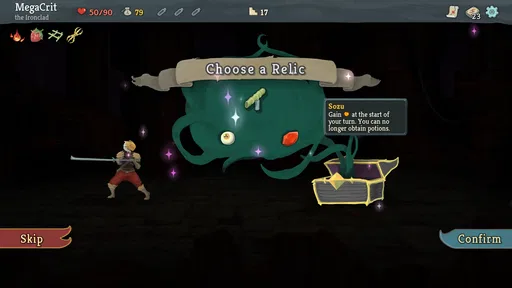
Slay the Spire features hundreds of cards to discover, multiple character classes with unique abilities, and dynamic deck-building strategies. The game also includes numerous relics that provide powerful bonuses, procedurally generated maps for fresh experiences each playthrough, and daily challenges to keep gameplay exciting and unpredictable.
Does Slay the Spire have multiplayer options?
Slay the Spire is primarily a single-player experience. However, it does include aspects that encourage community interaction, such as shared daily challenges and leaderboards. Players can compare scores and strategies, fostering a sense of community and competition despite the lack of direct multiplayer gameplay.
Are there any in-app purchases in Slay the Spire?
Slay the Spire does not feature any in-app purchases. Once you buy the game, you have access to all its content without any additional costs. This model ensures that gameplay remains fair and balanced, focusing on skill and strategy rather than pay-to-win elements.
Play our best games!


